Weight Shifting
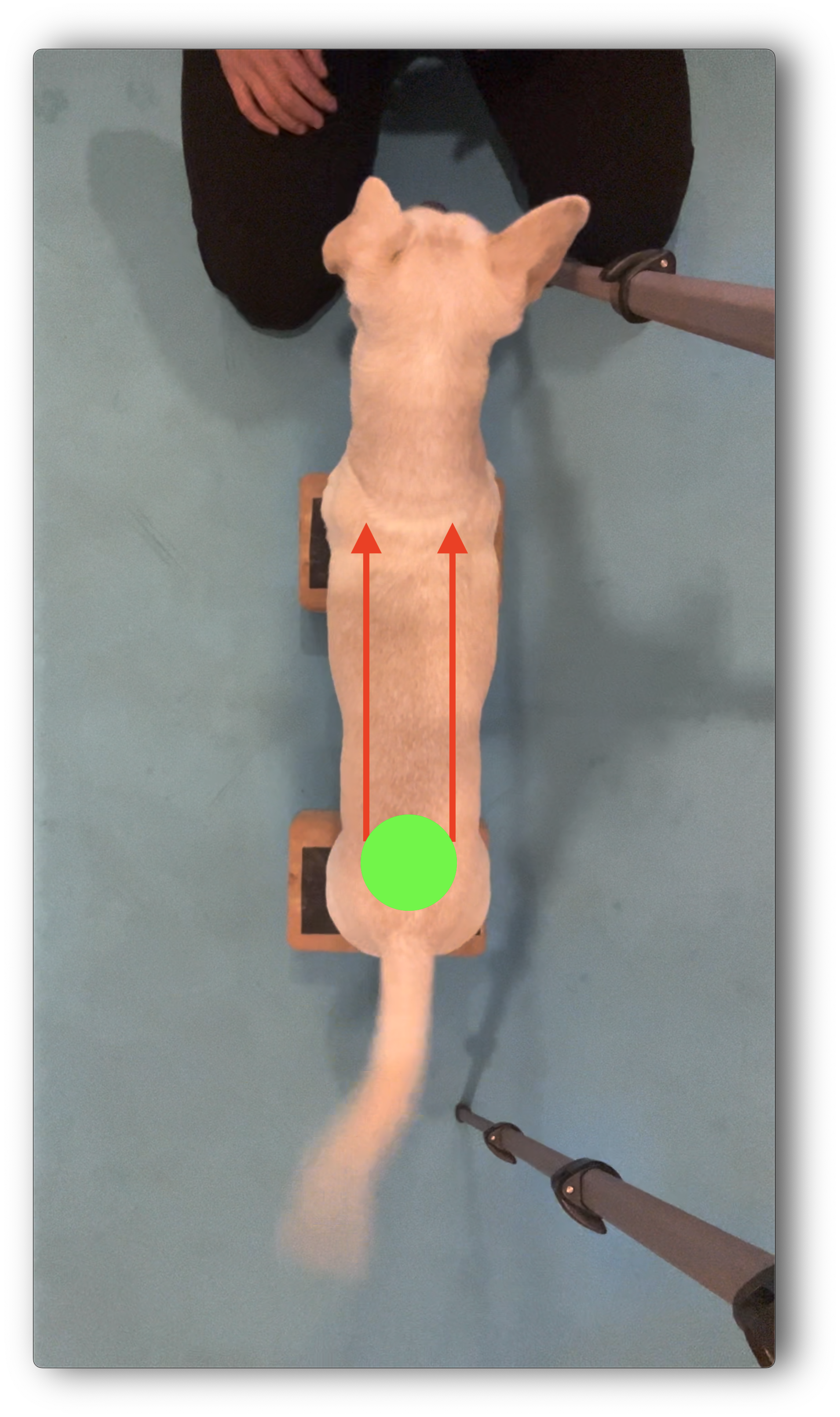
About 60–70% of a dog’s body weight is carried in the forelimbs, meaning only 30–40% of their weight is distributed to the rear. This natural imbalance is why many dogs—especially as they age—develop weaker pelvic limbs. Even active dogs will load their front end more in everyday movements.
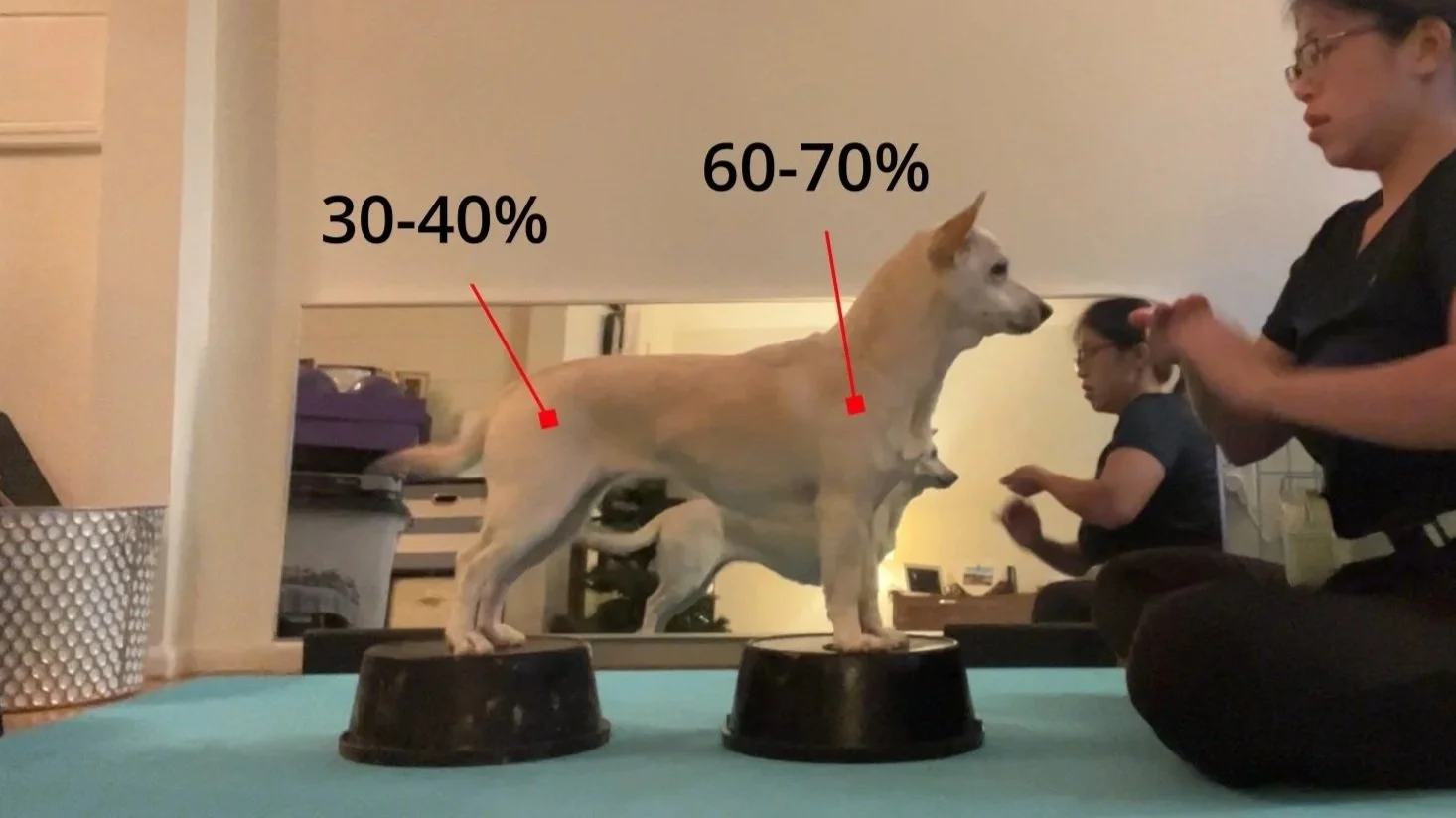
To truly strengthen the rear, we need targeted exercises. That’s where thoughtful equipment setup matters. Always ask yourself: which limbs are actually bearing the most weight?
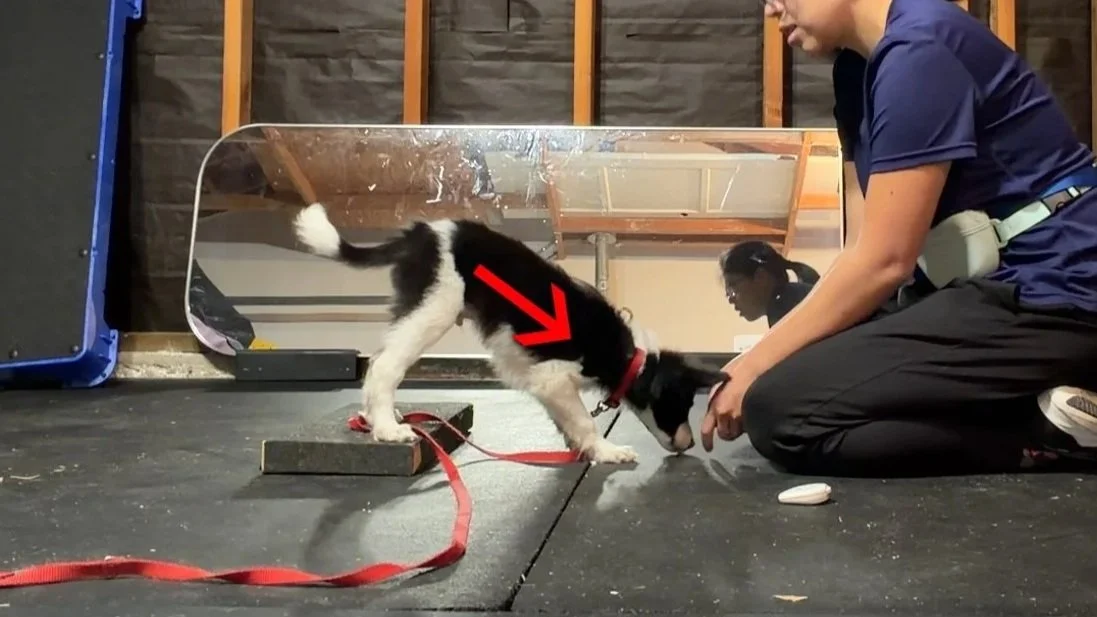
Raising the forelimbs generally shifts more weight into the rear, sometimes just enough to create a more balanced distribution.
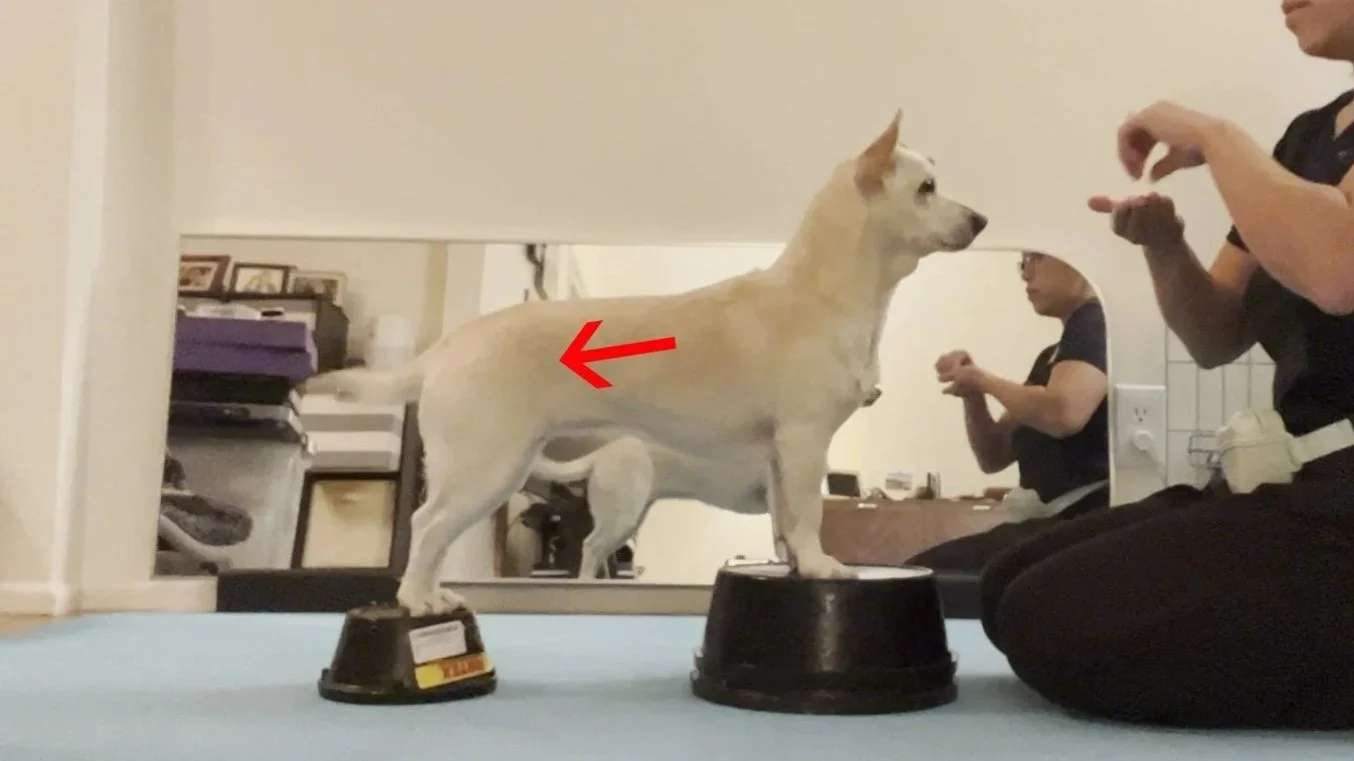
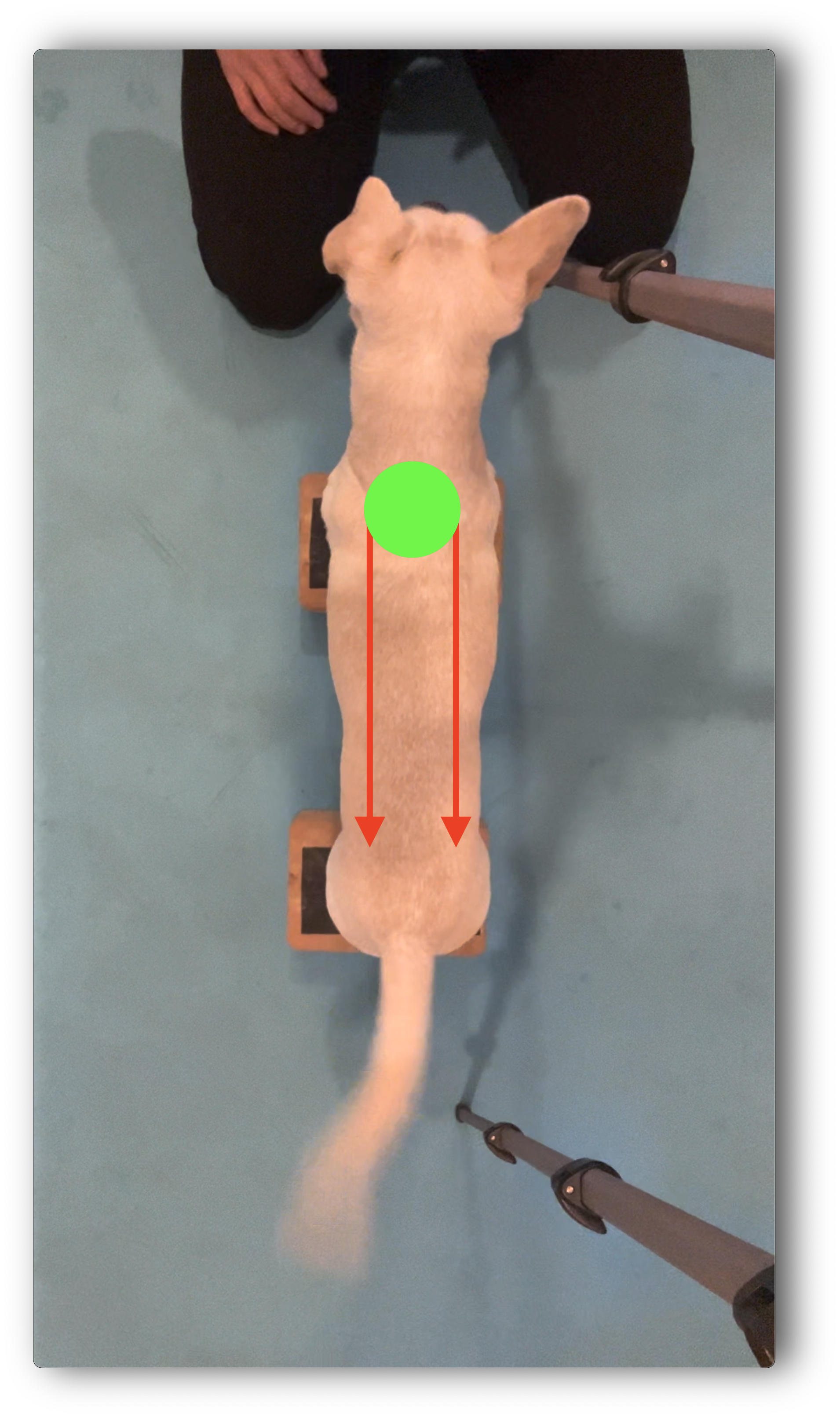
Raising the rear limbs does the opposite, placing even more load on the forelimbs.
Even when objects are the same height, weight distribution is still uneven because most weight naturally sits in the front.
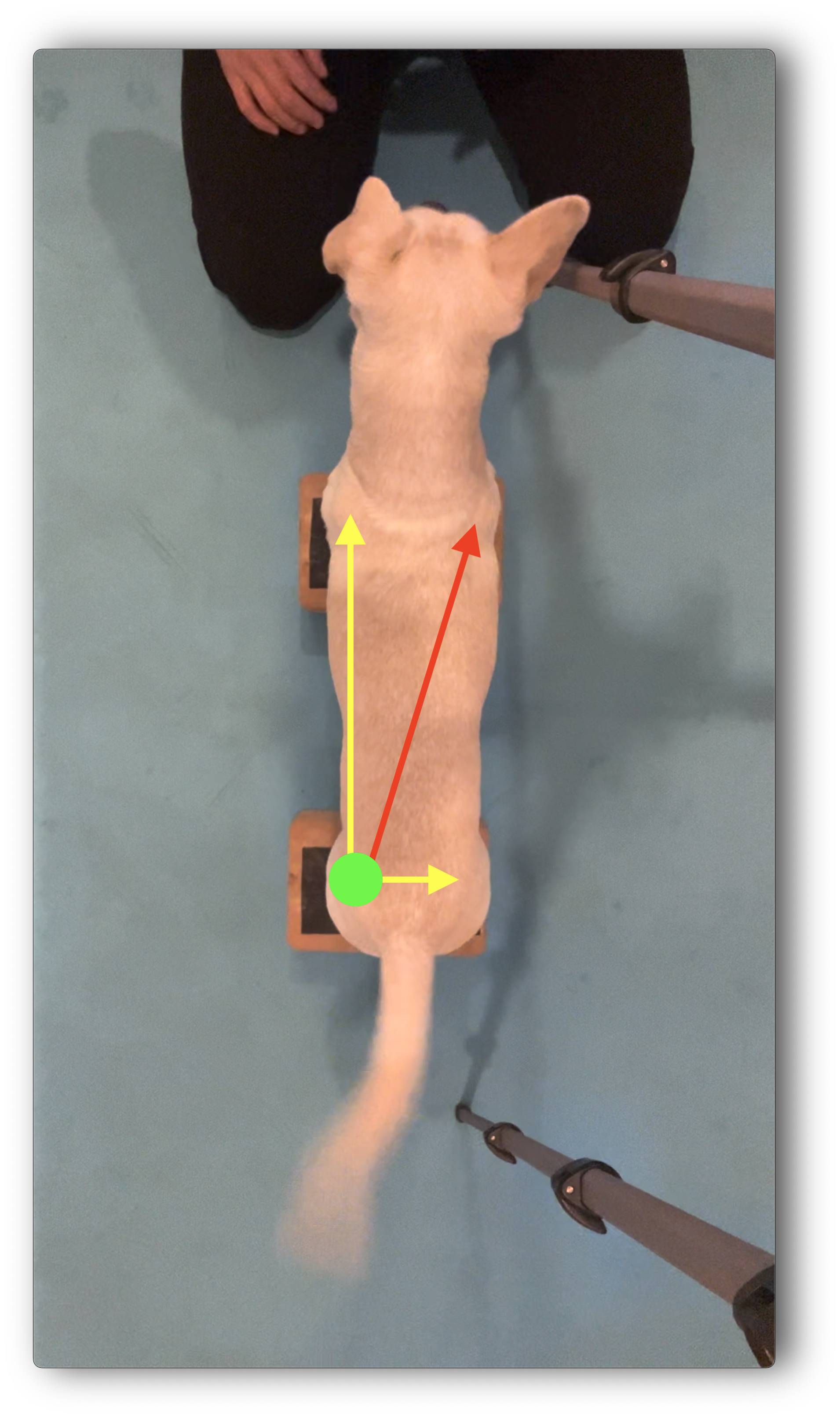
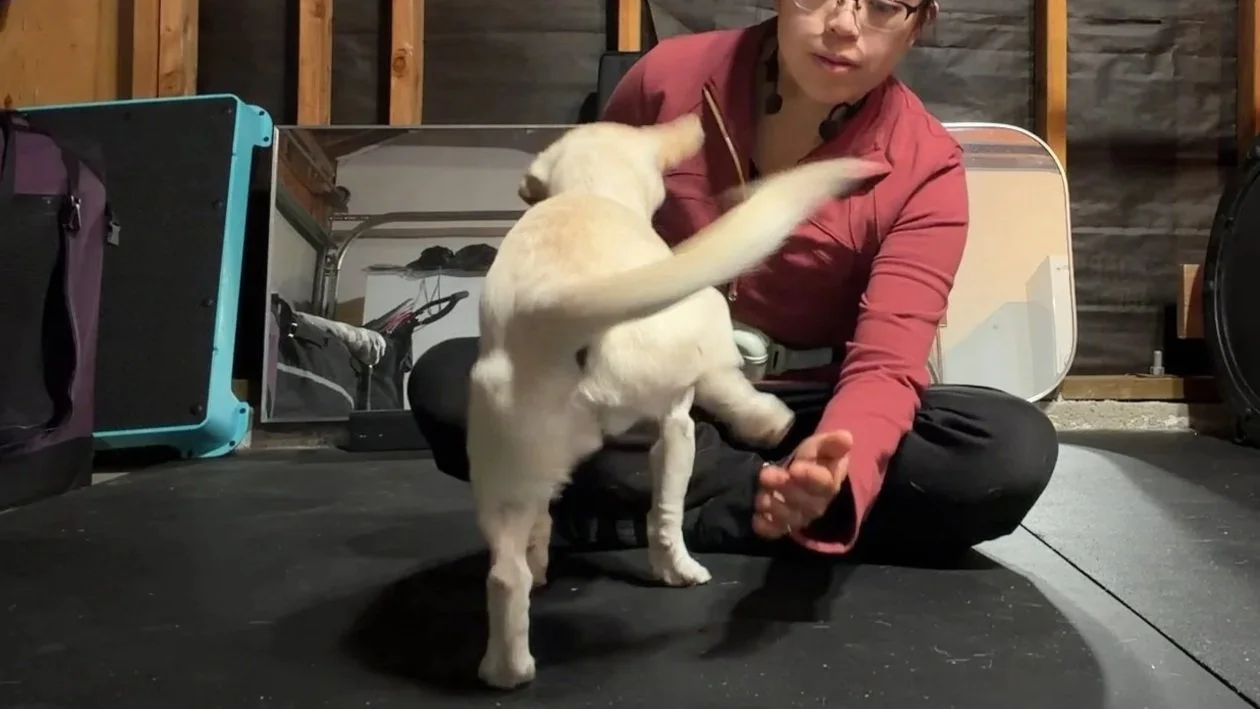
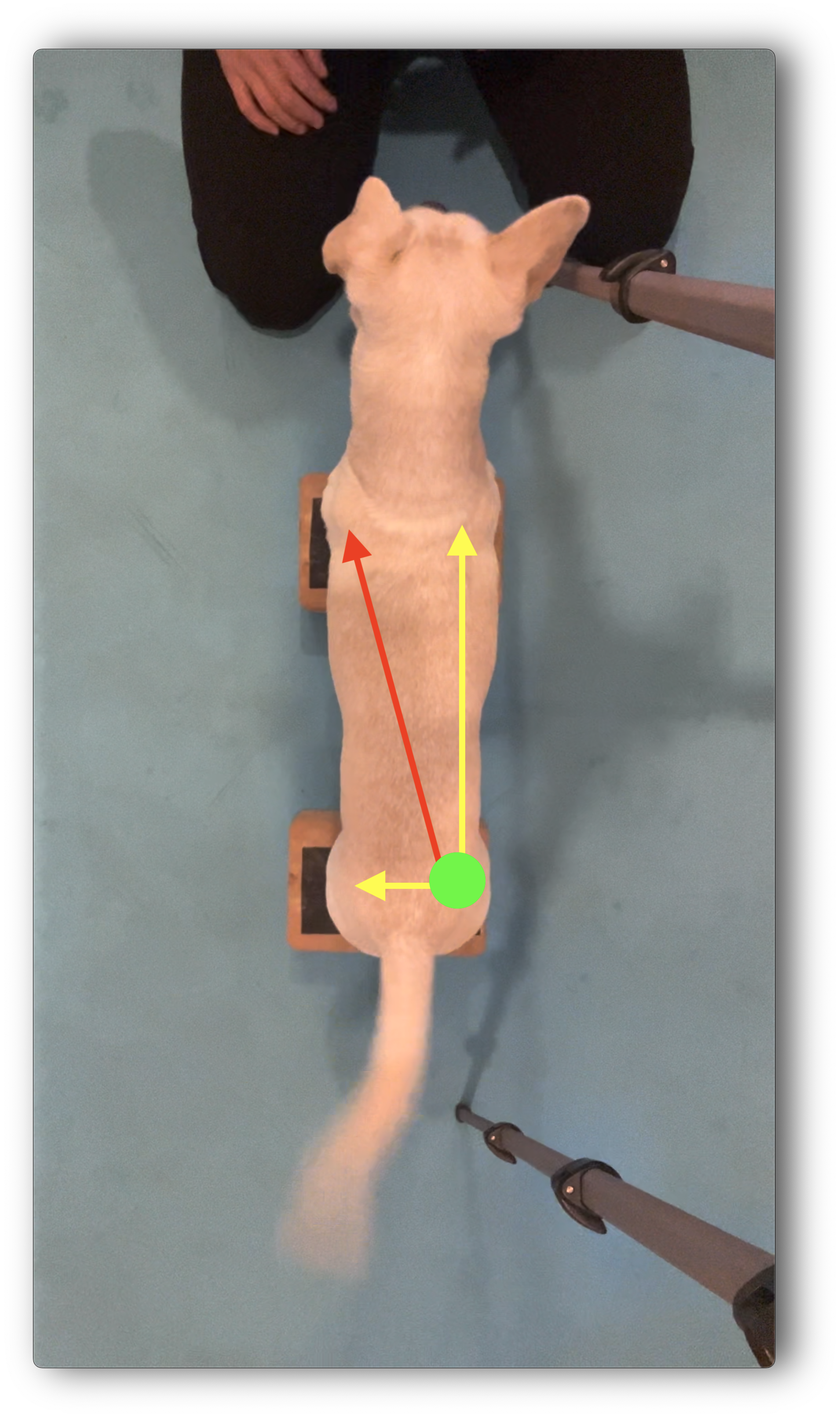
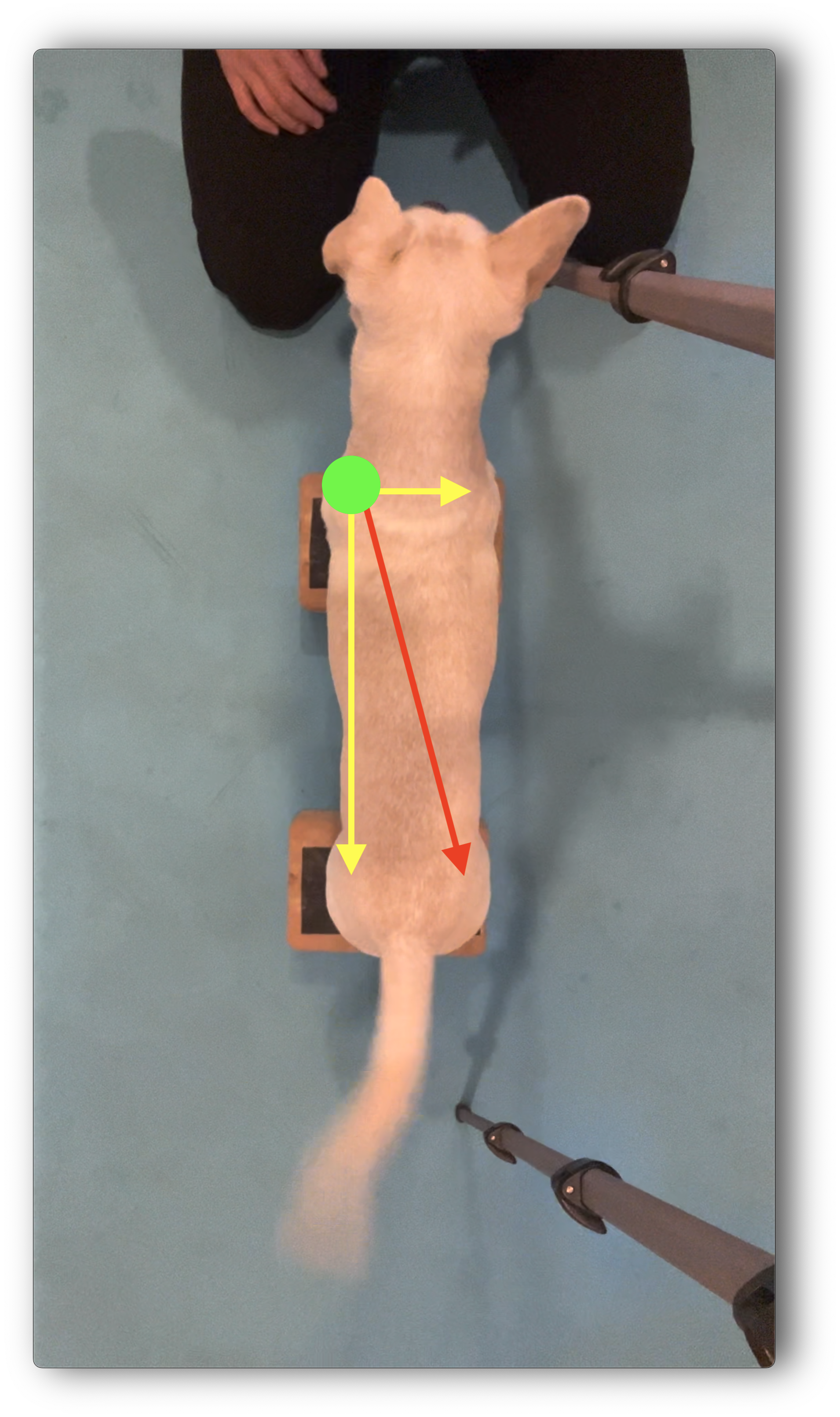
It’s also important to understand how dogs shift weight dynamically. When one limb lifts, weight transfers to the other three—but most of the weight goes to the diagonal limb. For example, lifting the left front foot shifts the most weight onto the right rear leg.
Keeping these principles in mind allows you to set up exercises intentionally and safely.
Raising LEFT FRONT Leg shifts weight mainly to the RIGHT REAR Leg.
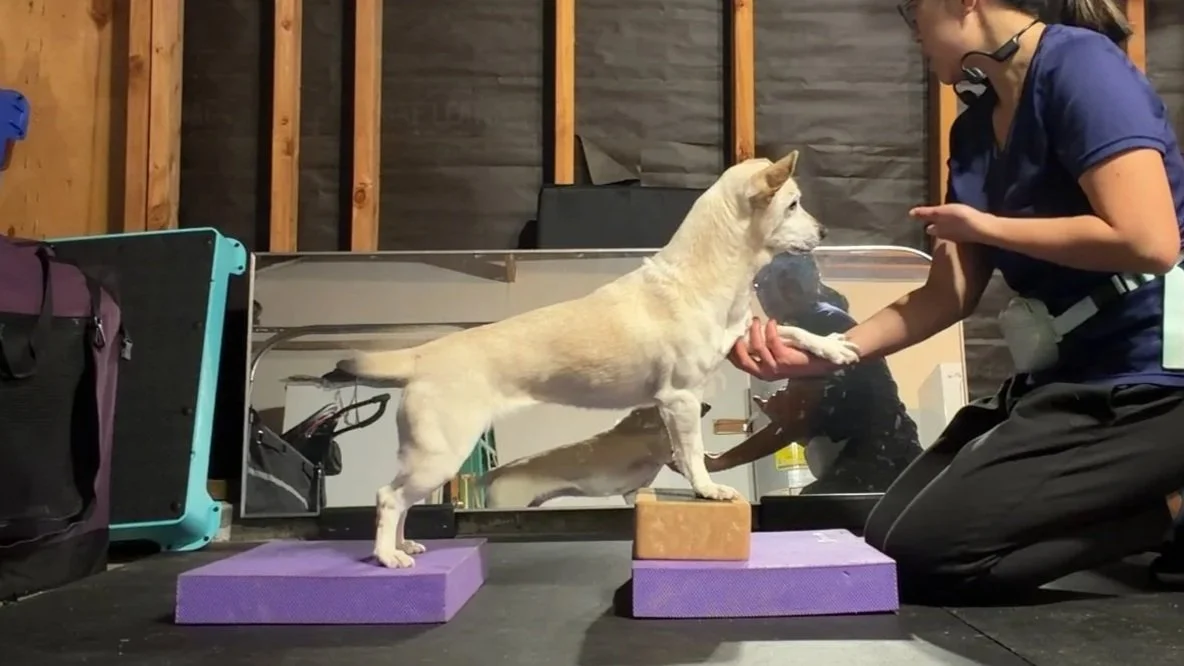
Raising RIGHT FRONT Leg shifts weight mainly to the LEFT REAR Leg.
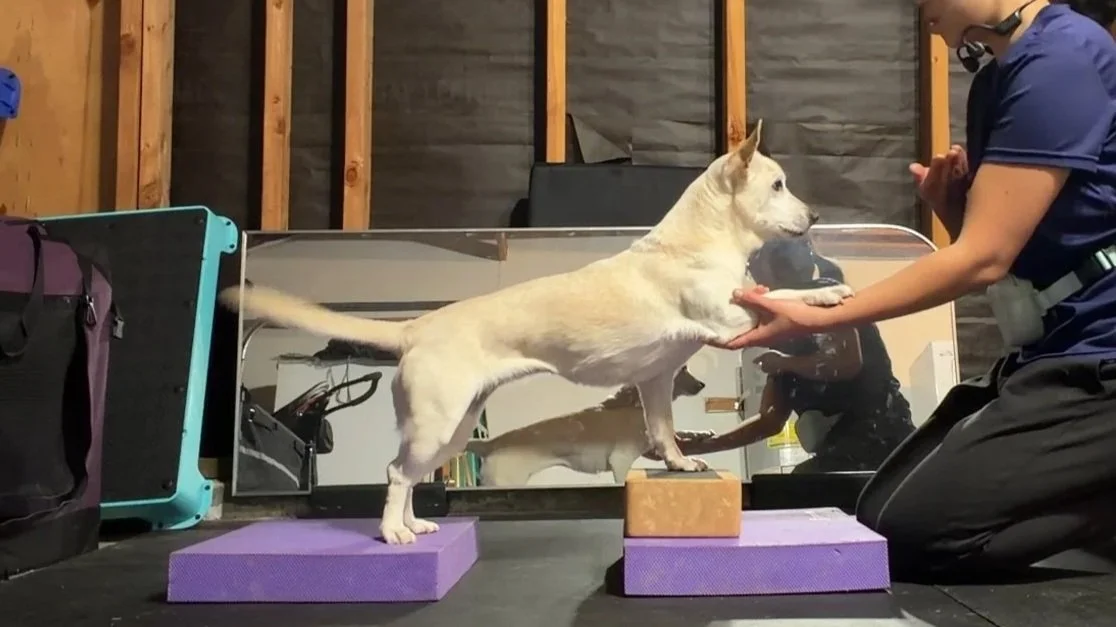
Raising LEFT REAR Leg shifts weight mainly to the RIGHT FRONT Leg.
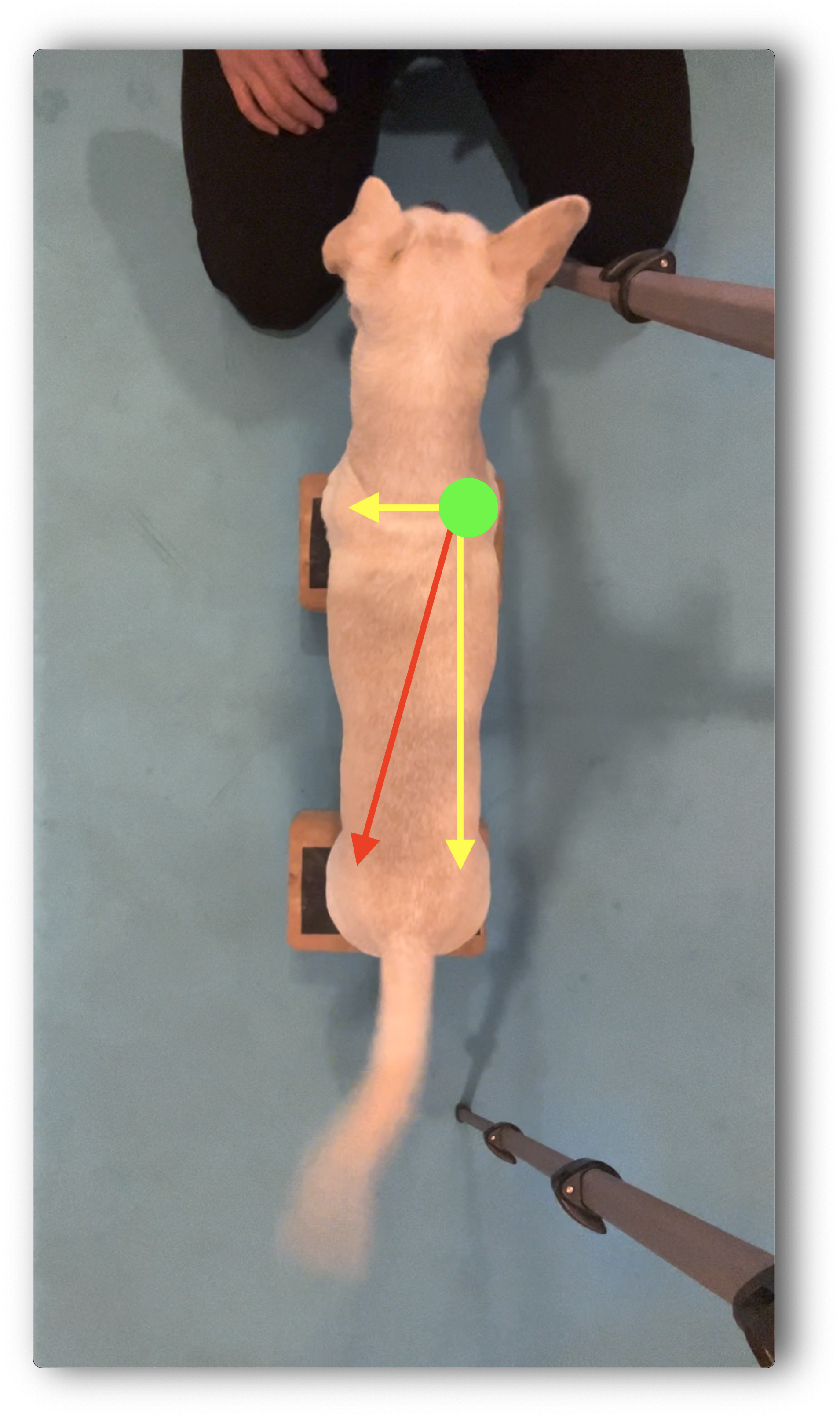
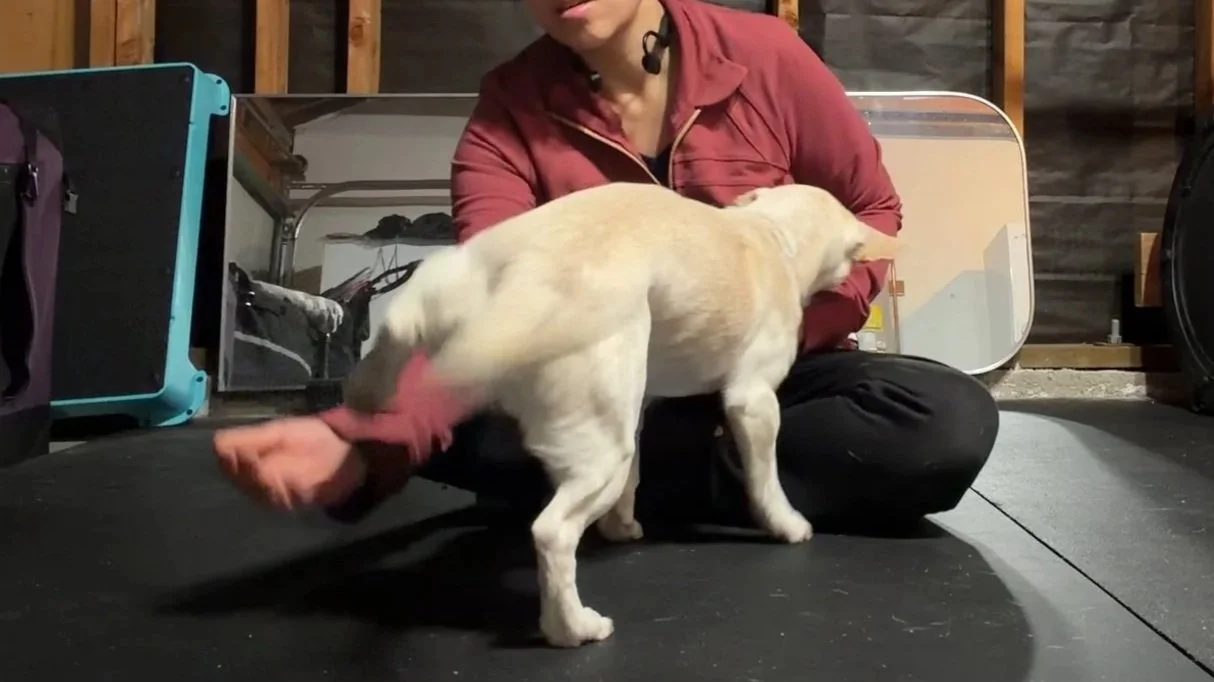
Raising RIGHT REAR Leg shifts weight mainly to the LEFT FRONT Leg.